

Can a Digital LED Clock integrate with other smart home devices?
Oct 10, 2025
In the era of smart homes, the integration of various devices has become a significant trend. As a Digital LED Clock supplier, I've been closely observing how these simple yet essential time - keeping devices can fit into the broader ecosystem of smart home technology. This blog aims to explore whether a Digital LED Clock can integrate with other smart home devices and the potential benefits and challenges associated with such integration.
I. The Current Landscape of Smart Home Integration
Smart homes are all about creating a seamless and interconnected living environment. Devices like smart thermostats, lighting systems, security cameras, and voice - controlled assistants have already found their place in many households. The ability to control multiple devices through a single interface, often a smartphone app, has made homes more convenient, energy - efficient, and secure.
For example, a smart thermostat can adjust the temperature based on the time of day and the presence of occupants. Smart lighting systems can be programmed to turn on and off at specific times or change colors according to different moods. Voice assistants such as Amazon Alexa or Google Assistant allow users to control various devices with simple voice commands.
II. The Potential of Digital LED Clocks in Smart Home Integration
1. Complementary Functionality
Digital LED Clocks can offer complementary functionality to other smart home devices. For instance, they can be integrated with smart lighting systems. A LED Display Clock can be programmed to change its brightness according to the ambient light in the room. When the smart lighting system dims the lights for a cozy evening, the LED clock can also reduce its brightness to avoid being too glaring.
Moreover, in the context of a bedroom, a LED Clock for Bedroom can work in tandem with a smart alarm system. The clock can display the time until the alarm goes off and even sync with the smart alarm's snooze function. If the user has a smart speaker in the bedroom, the LED clock can show information related to the music or podcasts being played on the speaker, such as the song title or podcast episode name.
2. Centralized Control
One of the key advantages of smart home integration is centralized control. A Digital LED Clock can be part of this centralized control system. By connecting to a smart home hub, users can manage the clock's settings, such as time adjustment, alarm setup, and display preferences, along with other smart home devices through a single app. This not only simplifies the user experience but also makes it easier to customize the overall smart home environment.
For example, a user can set the alarm on the LED clock at the same time as programming the smart coffee maker to start brewing in the morning. This kind of coordinated action can create a more efficient and pleasant morning routine.
3. Data Sharing
Digital LED Clocks can also participate in data sharing within the smart home ecosystem. They can collect and share data such as the time of wake - up, sleep duration, and ambient light levels over time. This data can be analyzed by other smart home devices or a dedicated smart home analytics platform. For example, a smart mattress can use the wake - up time data from the LED clock to adjust its firmness and support based on the user's sleep patterns.
III. Challenges in Integrating Digital LED Clocks with Smart Home Devices
1. Compatibility Issues
One of the main challenges is compatibility. There are numerous smart home protocols and standards, such as ZigBee, Z - Wave, Wi - Fi, and Bluetooth. A Digital LED Clock needs to be compatible with the existing smart home devices in the user's home. If a user has a smart home system based on ZigBee and the LED clock only supports Wi - Fi, integration becomes difficult.
As a supplier, we need to ensure that our LED clocks are designed to support multiple protocols or at least be easily adaptable to different smart home ecosystems. This requires significant investment in research and development to keep up with the ever - changing technology landscape.
2. Security Concerns
Security is a major concern in smart home integration. Digital LED Clocks, like other connected devices, are vulnerable to cyber - attacks. Hackers could potentially access the clock's data or use it as a gateway to infiltrate other smart home devices. For example, if an attacker gains control of the LED clock, they might be able to manipulate the alarm settings or access other sensitive information shared within the smart home network.
To address these concerns, we need to implement robust security measures in our LED clocks, such as encryption of data transmission, secure authentication mechanisms, and regular software updates to patch any security vulnerabilities.
3. User Adoption
Even if the technical challenges are overcome, user adoption can be a hurdle. Some users may be hesitant to integrate their LED clocks with other smart home devices due to concerns about complexity or privacy. They may prefer to keep their time - keeping devices simple and independent. As a supplier, we need to educate users about the benefits of integration and provide user - friendly interfaces and clear instructions to make the integration process as seamless as possible.
IV. Our Approach as a Digital LED Clock Supplier
As a Digital LED Clock supplier, we are committed to addressing these challenges and promoting the integration of our products with other smart home devices.

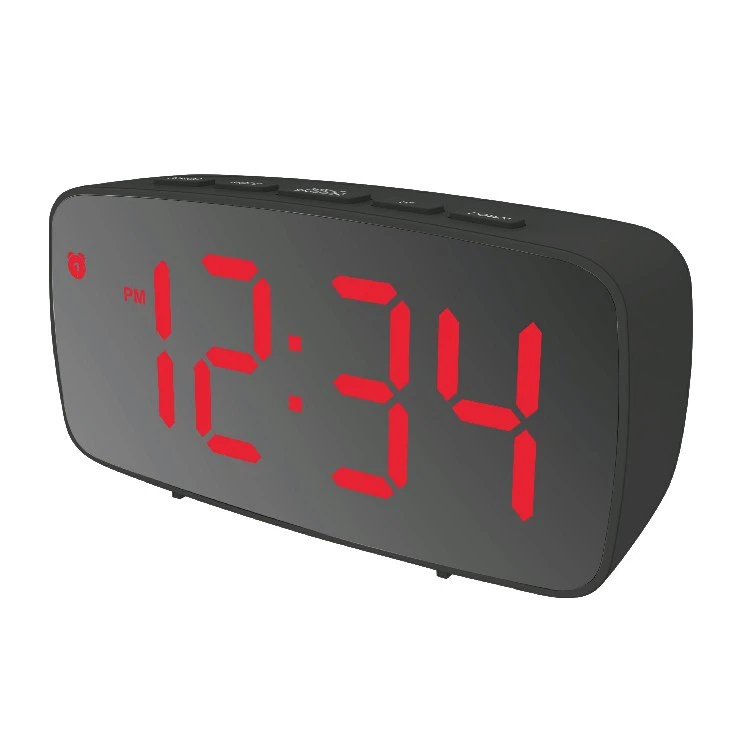
1. Multi - Protocol Support
We are investing in developing LED clocks that support multiple smart home protocols. Our BIG LED Digital Clock is being designed to be compatible with ZigBee, Z - Wave, Wi - Fi, and Bluetooth. This ensures that it can easily integrate with a wide range of smart home devices, regardless of the protocol they use.
2. Security - First Design
Security is at the forefront of our product development. We are working with security experts to implement state - of - the - art security features in our LED clocks. This includes end - to - end encryption of data, secure boot processes, and regular security audits to ensure that our products are protected against cyber - threats.
3. User - Centric Design
We understand the importance of user adoption. That's why we are focusing on creating user - friendly interfaces and providing comprehensive user guides. Our LED clocks will have intuitive setup processes, and the integration with other smart home devices will be as simple as a few taps on a smartphone app.
V. Conclusion
In conclusion, a Digital LED Clock can definitely integrate with other smart home devices, offering complementary functionality, centralized control, and data sharing opportunities. However, there are challenges in terms of compatibility, security, and user adoption that need to be addressed.
As a Digital LED Clock supplier, we are taking proactive steps to overcome these challenges and provide high - quality, integrated products to our customers. If you are interested in exploring the possibilities of integrating our Digital LED Clocks with your smart home devices, we would love to have a discussion with you. Whether you are a homeowner looking to upgrade your smart home or a business in the smart home industry, we are ready to work with you to create a more connected and efficient living environment.
References
- Smith, J. (2020). Smart Home Technology: A Comprehensive Guide. Publisher Name.
- Johnson, A. (2021). Security Challenges in Smart Home Integration. Journal of Smart Home Security, 15(2), 45 - 58.
- Brown, C. (2019). User Adoption of Smart Home Devices. International Journal of Human - Computer Interaction, 25(3), 201 - 215.