

Do kids alarm clocks have a sleep - cycle tracking feature?
Sep 23, 2025
In the modern era, where technology is advancing at an unprecedented pace, the humble kids alarm clock has also undergone significant transformations. One of the most talked - about features in recent times is the sleep - cycle tracking feature. As a supplier of kids alarm clocks, I've delved deep into this topic to understand its implications, benefits, and whether it's truly a must - have for our young users.
Understanding Sleep Cycles
Before we discuss whether kids alarm clocks should have a sleep - cycle tracking feature, it's essential to understand what sleep cycles are. Sleep is not a uniform state; it consists of several distinct stages that repeat in cycles throughout the night. These cycles typically last about 90 minutes and include light sleep, deep sleep, and REM (Rapid Eye Movement) sleep.
During light sleep, the body is in a relaxed state, and it's relatively easy to wake up. Deep sleep is when the body repairs and regenerates tissues, builds bone and muscle, and strengthens the immune system. REM sleep is associated with dreaming and cognitive functions such as learning and memory consolidation.
For kids, proper sleep is crucial for their physical growth, mental development, and overall well - being. Disrupting a child's sleep cycle at the wrong time can lead to grogginess, irritability, and difficulty concentrating during the day.
The Concept of Sleep - Cycle Tracking in Alarm Clocks
Sleep - cycle tracking in alarm clocks works by monitoring a child's movement, heart rate, and other physiological signals during sleep. Based on this data, the alarm clock can determine which stage of the sleep cycle the child is in. The goal is to wake the child up during a light sleep phase, which is the most natural and least disruptive time to end sleep.
Some advanced sleep - cycle tracking alarm clocks use sensors such as accelerometers to detect movement. Others may use more sophisticated technologies like heart rate monitors or even EEG (electroencephalogram) sensors to get a more accurate picture of the sleep stages.
Benefits of Sleep - Cycle Tracking for Kids
1. Improved Morning Wake - Up Experience
Waking up during a light sleep phase can make the transition from sleep to wakefulness much smoother for kids. Instead of being jolted out of deep sleep, they are more likely to feel refreshed and ready to start the day. This can lead to a more positive attitude in the morning and better performance at school or during other activities.
2. Enhanced Sleep Quality Awareness
By providing parents and kids with data about sleep cycles, sleep - cycle tracking alarm clocks can help them understand the quality of the child's sleep. For example, if a child consistently has a short REM sleep period, it could indicate an underlying sleep problem that needs to be addressed.
3. Customized Wake - Up Times
Some sleep - cycle tracking alarm clocks allow parents to set a wake - up window rather than a fixed time. The alarm will then go off at the optimal time within that window, based on the child's sleep cycle. This flexibility can be especially useful on days when the child has a different schedule.
Challenges of Implementing Sleep - Cycle Tracking in Kids Alarm Clocks
1. Accuracy of Tracking
One of the main challenges is ensuring the accuracy of sleep - cycle tracking. Kids may move around a lot during sleep, which can make it difficult for sensors to accurately determine the sleep stage. Additionally, different kids may have unique sleep patterns, and the algorithms used in sleep - cycle tracking may not work equally well for all children.
2. Cost
Sleep - cycle tracking technology adds to the cost of the alarm clock. This can make the product more expensive, which may be a deterrent for some parents, especially those on a tight budget.
3. Complexity for Young Users
Some sleep - cycle tracking alarm clocks may have complex interfaces that are difficult for young kids to understand. This can lead to frustration and may even discourage the use of the alarm clock.
Our Product Range and Sleep - Cycle Tracking
At our company, we offer a diverse range of kids alarm clocks, including some with sleep - cycle tracking features. For those who are interested in a more traditional option, we have the Traditional Table Alarm Clock. It has a classic design and is easy to use, making it suitable for younger kids.
If you're looking for a more modern and feature - rich option, our Quartz Plastic Alarm Clcok comes with advanced sleep - cycle tracking capabilities. It uses state - of - the - art sensors to accurately monitor your child's sleep and wake them up at the optimal time.
For those who prefer a silent option, our Silent Table Alarm Clock is a great choice. It can still track sleep cycles without disturbing other family members.
Should You Consider a Sleep - Cycle Tracking Alarm Clock for Your Kid?
The decision to choose a kids alarm clock with a sleep - cycle tracking feature depends on several factors. If you have a child who has difficulty waking up in the morning or seems groggy throughout the day, a sleep - cycle tracking alarm clock may be worth considering. It can help improve their sleep quality and morning wake - up experience.
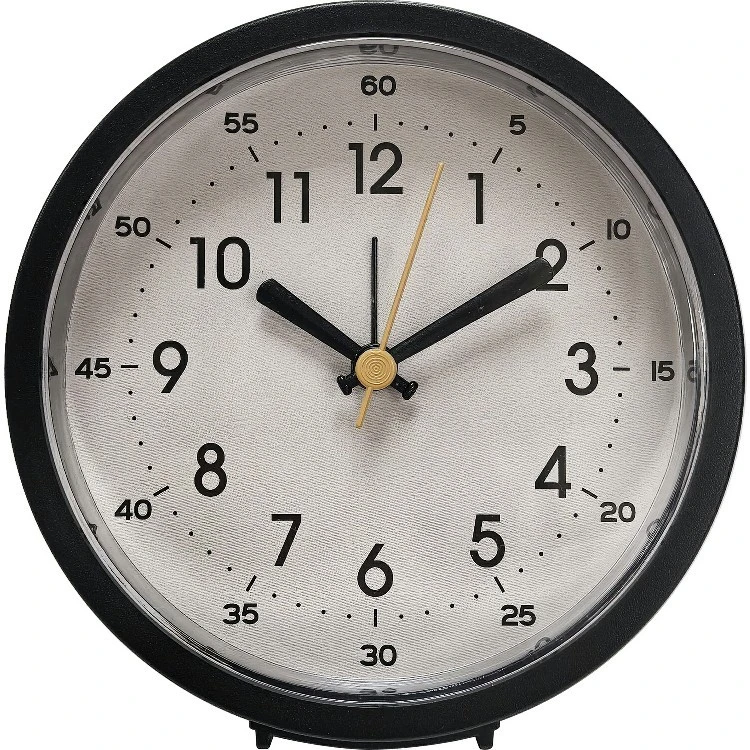

However, if you're on a tight budget or your child is very young and may not understand the complex features, a traditional alarm clock may be a better option.
Contact Us for Purchase and Discussion
If you're interested in learning more about our kids alarm clocks, including those with sleep - cycle tracking features, we encourage you to reach out to us. We're always happy to discuss your specific needs and help you choose the right product for your child. Whether you're a retailer looking to stock our products or a parent looking for the perfect alarm clock for your little one, we're here to assist you.
References
- National Sleep Foundation. (2023). Understanding Sleep Cycles.
- American Academy of Pediatrics. (2022). Sleep and Your Child.
- Sleep Research Society. (2023). Advances in Sleep Tracking Technology.