

How long do the batteries in a digital wall clock last?
Dec 24, 2025
Hey there! As a supplier of digital wall clocks, I often get asked the question: "How long do the batteries in a digital wall clock last?" Well, let's dive right into it and explore the factors that affect battery life in these nifty time - keepers.
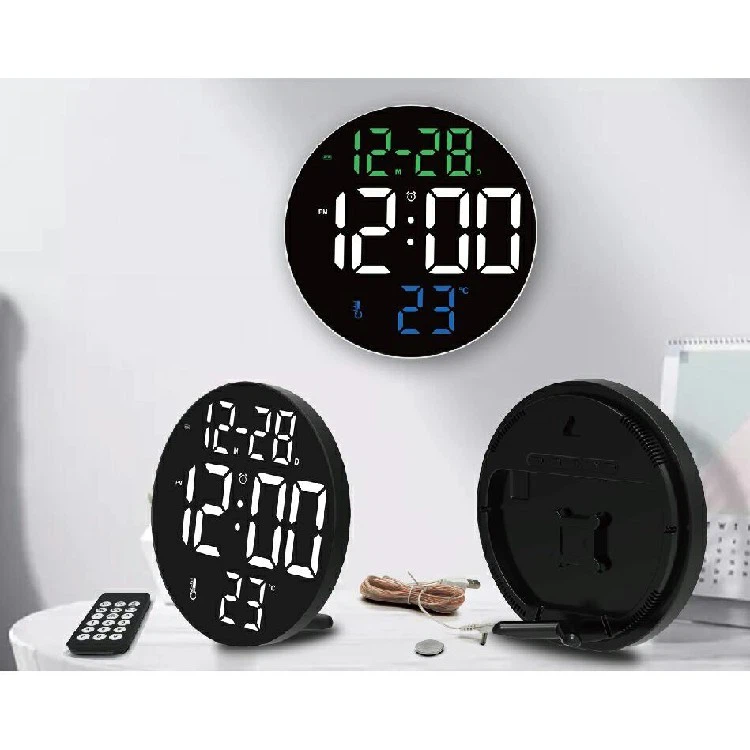
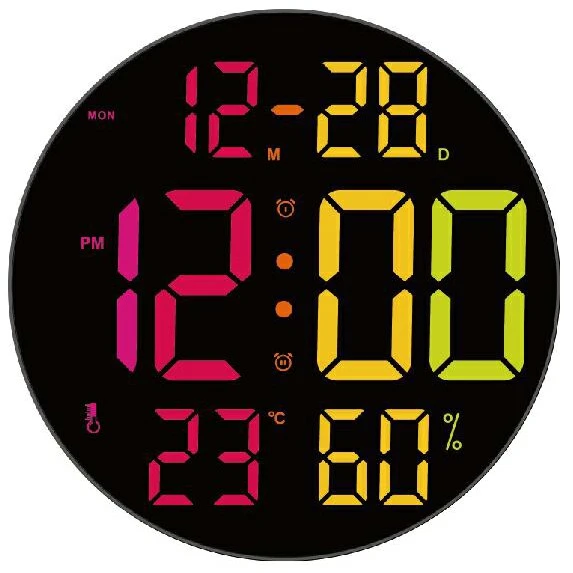
First off, it's important to understand that there are different types of digital wall clocks out there. We've got LED Digital Wall Clock, LCD Wall Clock, and BIG LED Clock. Each type has its own unique characteristics that can influence battery longevity.
Battery Type
The type of battery you use is a major factor. Most digital wall clocks run on either alkaline or lithium batteries. Alkaline batteries are the more common choice because they're affordable and widely available. They usually last anywhere from 6 months to a couple of years, depending on the clock's power consumption. Lithium batteries, on the other hand, are more expensive but they offer a longer lifespan. They can power a digital wall clock for 2 - 5 years. The reason lithium batteries last longer is that they have a lower self - discharge rate, which means they lose their charge more slowly when not in use.
Clock Features
The features of the digital wall clock also play a huge role in battery life. Basic clocks that simply display the time and maybe the date will consume less power compared to clocks with additional features. For example, some clocks come with an alarm function. Every time the alarm goes off, it uses a bit of extra power. Clocks with backlighting, like many LED Digital Wall Clock, also use more power. The backlight needs to be illuminated, and that requires energy. If you keep the backlight on all the time, you'll notice that the batteries drain faster.
Clocks with radio - controlled functions, which synchronize with atomic clocks to ensure accurate time, are another story. These clocks need to constantly receive radio signals, and this process uses power. So, if you have a radio - controlled digital wall clock, you might find that the batteries need to be replaced more frequently than a basic model.
Display Technology
The display technology of the clock is another key factor. LCD Wall Clock generally consume less power than LED Digital Wall Clock. LCDs work by blocking or allowing light to pass through liquid crystals to form the display. LEDs, on the other hand, emit their own light. Since LEDs are brighter and more energy - intensive, they tend to drain the batteries faster. However, BIG LED Clock are designed to be seen from a distance, and their large size means they need more power to illuminate all the LEDs.
Environmental Conditions
Believe it or not, the environment where the clock is placed can also affect battery life. Extreme temperatures can have a negative impact on battery performance. In cold temperatures, the chemical reactions inside the battery slow down, which reduces its ability to deliver power. So, if you have a digital wall clock in a cold room or outdoors during the winter, the batteries might not last as long as they would in a normal room temperature environment.
On the other hand, high temperatures can cause the battery to degrade faster. Heat can speed up the self - discharge rate of the battery, causing it to lose its charge more quickly. So, it's best to keep your digital wall clock in a place with a stable temperature, ideally between 20 - 25 degrees Celsius.
Usage Patterns
How often you interact with the clock can also influence battery life. If you're constantly pressing the buttons on the clock to set the time, adjust the alarm, or change the display settings, you're using a bit of extra power each time. Some clocks also have a "snooze" function for the alarm. If you use the snooze function frequently, it can add up and cause the batteries to drain faster.
Tips to Extend Battery Life
Now that we've covered the factors that affect battery life, let's talk about some tips to make your digital wall clock batteries last longer.
- Choose the Right Batteries: As mentioned earlier, lithium batteries generally last longer than alkaline batteries. If you want to minimize the frequency of battery changes, consider using lithium batteries, especially for clocks with more features.
- Turn Off Unnecessary Features: If your clock has a backlight, only turn it on when you really need it. The same goes for the alarm function. If you don't need the alarm every day, turn it off on the days when you don't.
- Keep the Clock in a Good Environment: Place the clock in a room with a stable temperature. Avoid areas that are too hot or too cold.
- Check the Batteries Regularly: Make it a habit to check the batteries every few months. If you notice that the clock is running slowly or the display is starting to fade, it might be time to replace the batteries.
Conclusion
So, to answer the question "How long do the batteries in a digital wall clock last?", it really depends on a variety of factors. Basic clocks with few features and using alkaline batteries in a normal environment might last 6 months to a year. Clocks with more features, like radio - controlled or backlit models, might need battery changes every 3 - 6 months. If you use lithium batteries, you can expect a longer lifespan, anywhere from 2 - 5 years.
At our company, we understand the importance of battery life in digital wall clocks. That's why we offer a wide range of clocks with different features and display technologies to suit your needs. Whether you're looking for a simple LCD Wall Clock for your bedroom or a large BIG LED Clock for your office, we've got you covered.
If you're interested in purchasing digital wall clocks for your home, office, or business, we'd love to have a chat with you. Contact us to start a procurement discussion and find the perfect clock for your needs.
References
- Battery University: A great resource for information on battery types, performance, and lifespan.
- Clock manufacturers' websites: Many clock manufacturers provide detailed information about the power consumption and battery life of their products.