

What kind of movements are used in metal wall clocks?
Dec 18, 2025
Hey there, clock enthusiasts! I'm a supplier of metal wall clocks, and I'm super stoked to chat with you about the different kinds of movements used in these bad boys. Metal wall clocks are not only functional time - keepers but also stylish decor pieces, and the movement is the heart that makes them tick.
Let's start with the basics. A clock movement is the mechanism that powers the hands and makes them move around the clock face to show the time. There are a few main types of movements used in metal wall clocks, and each has its own unique features and benefits.
Quartz Movements
Quartz movements are by far the most common type of movement used in modern metal wall clocks, and for good reason. They're accurate, reliable, and affordable. How do they work? Well, it all starts with a tiny piece of quartz crystal. When an electric current is applied to the quartz crystal, it vibrates at a very precise frequency. These vibrations are then converted into electrical pulses, which are used to drive the clock hands.
One of the biggest advantages of quartz movements is their accuracy. They can keep time within a few seconds per month, which is more than enough for most people's daily needs. They're also very low - maintenance. All you need to do is change the battery every once in a while, and you're good to go.
Quartz movements are also great for making quiet clocks. Unlike some other types of movements, they don't make that tick - tock sound that can be annoying, especially in a quiet room. So, if you're looking for a metal wall clock that won't disrupt your peace and quiet, a quartz - powered clock is the way to go.
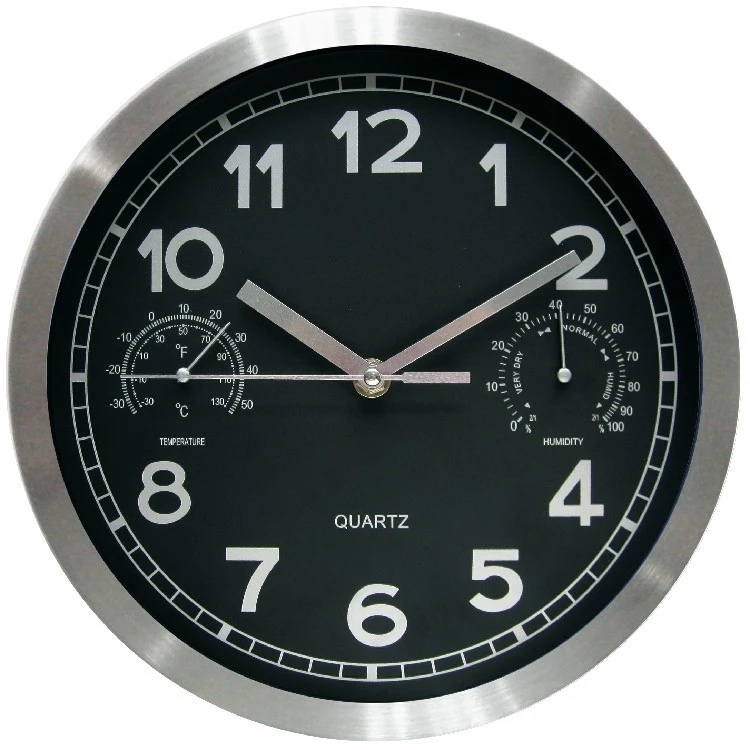
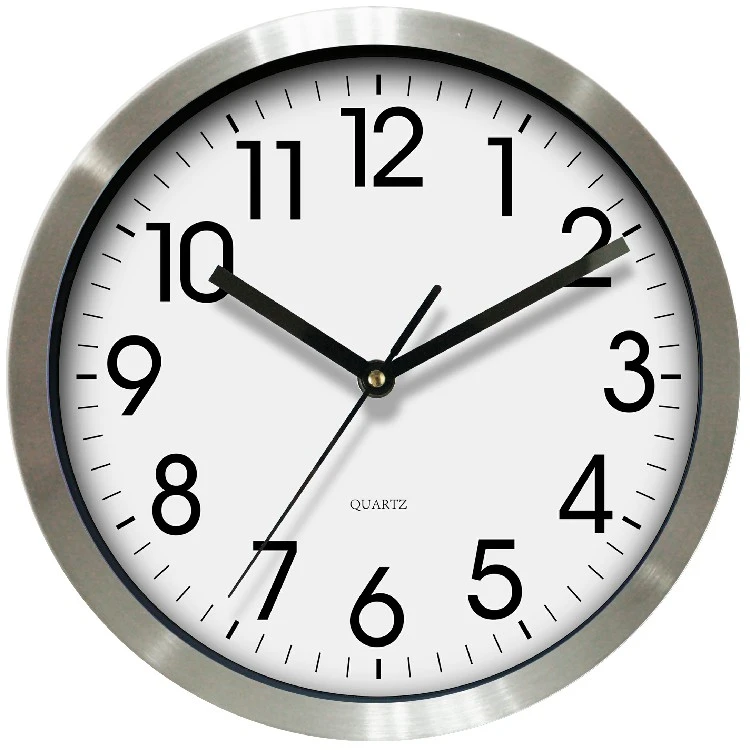
We've got a great selection of Steel Wall Clock with quartz movements. These clocks are not only accurate but also look super sleek with their steel exteriors. They can add a touch of modernity to any room.
Mechanical Movements
Mechanical movements are the old - fashioned way of making clocks work, and they have a certain charm that many people love. Instead of using electricity and quartz crystals, mechanical movements rely on a series of gears and springs. When you wind up a mechanical clock, you're storing energy in a mainspring. As the mainspring unwinds, it releases energy that powers the gears, which in turn move the clock hands.
There's something really satisfying about watching the intricate dance of the gears in a mechanical clock. It's like a little piece of engineering art. Mechanical movements are also known for their craftsmanship. Many high - end metal wall clocks use mechanical movements because they're seen as a sign of quality.
However, mechanical movements do have some drawbacks. They're generally less accurate than quartz movements. They can lose or gain a few minutes per day, and they require more maintenance. You need to wind them regularly, and they may need to be serviced by a professional every few years.
But if you're a fan of traditional, hand - crafted timepieces, a mechanical - powered Stainless Steel Wall Clock might be just what you're looking for. The stainless steel gives it a durable and elegant look, and the mechanical movement adds a touch of old - world charm.
Atomic Movements
Atomic movements are the crème de la crème of clock movements when it comes to accuracy. These movements use radio signals from atomic clocks, which are the most accurate timekeeping devices in the world. Atomic clocks are so accurate that they only lose or gain a second every few million years!
How does it work for a wall clock? The atomic movement in the clock receives a radio signal from an atomic clock, usually located at a national timekeeping institute. This signal tells the clock the exact time, and it automatically adjusts itself to be as accurate as possible.
Atomic - powered metal wall clocks are great for those who need the most precise timekeeping, like in a laboratory or a business where accurate time is crucial. But they can be a bit more expensive than quartz or mechanical clocks.
We also offer Aluminum Wall Clock with atomic movements. Aluminum is a lightweight and corrosion - resistant metal, making it a great choice for a durable yet stylish clock.
Hybrid Movements
In recent years, hybrid movements have become more popular. These movements combine the best of both worlds. For example, some hybrid movements use a quartz movement for the basic timekeeping function but also have additional features powered by a mechanical or other type of system.
One common type of hybrid movement is a clock that has a quartz - powered main time display but also a mechanical chime. This gives you the accuracy of a quartz movement with the traditional charm of a mechanical chime.
Hybrid - powered metal wall clocks are a great option if you want a clock that has some unique features. They can be a bit more complex, but they offer a lot of functionality.
So, there you have it! The different kinds of movements used in metal wall clocks. Each type has its own pros and cons, and the right choice for you depends on your personal preferences, budget, and how you plan to use the clock.
If you're interested in purchasing a metal wall clock, whether it's a quartz - powered one for accuracy, a mechanical one for that old - world charm, an atomic one for the ultimate precision, or a hybrid one for added features, I'd love to chat with you. We've got a wide range of options to suit different tastes and needs. Just reach out, and we can start discussing your perfect metal wall clock.
References
- "The History of Clock Movements" by Clock Enthusiast Press
- "Modern Clock Technologies" published by Timekeeping Institute