

How do I connect an external device to an LED display clock (if possible)?
Dec 12, 2025
Hey there! As a supplier of LED display clocks, I often get asked about connecting external devices to these nifty time - keepers. So, let's dive right into it and see how we can make this happen, if possible.
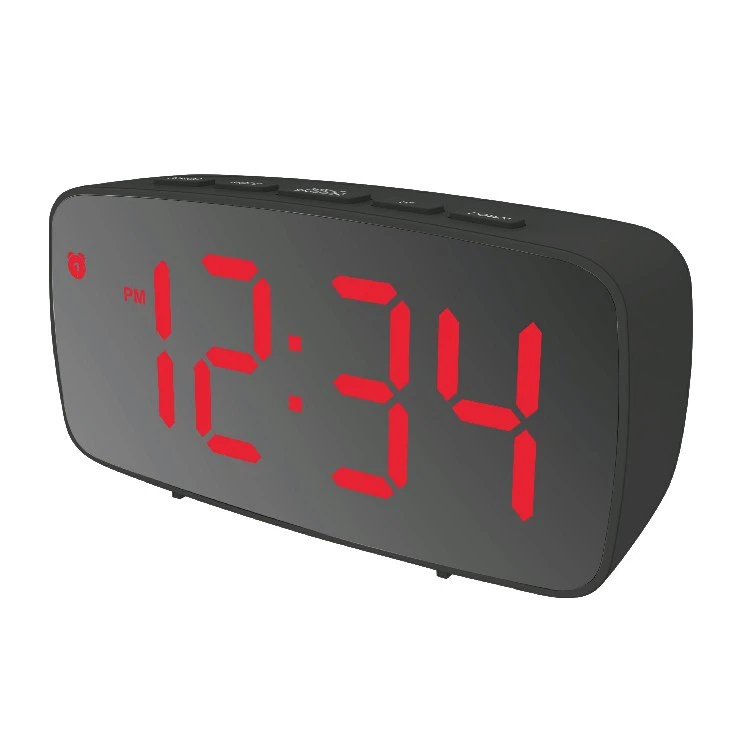
First off, let's understand what an LED display clock is. These clocks use light - emitting diodes (LEDs) to show the time. They come in all shapes and sizes, from the small LED Alarm Clock you can place on your bedside table to the large BIG LED Digital Clock that can be seen from across a room. And if you're looking for one for your bedroom, the LED Clock for Bedroom is a great option.
Compatibility is Key
The first thing you need to check when trying to connect an external device to an LED display clock is compatibility. Not all LED clocks are created equal, and some may not have the necessary ports or functionality to connect to other devices.
Most modern LED display clocks come with a variety of ports, such as USB, Bluetooth, or even Wi - Fi. If your clock has a USB port, you're in luck! You can connect a wide range of external devices, like a USB flash drive or a USB - enabled sensor. For example, if you have a temperature sensor with a USB output, you can connect it to the clock to display the current temperature alongside the time.
Bluetooth - enabled LED clocks are also becoming more common. This feature allows you to connect your smartphone, tablet, or other Bluetooth - compatible devices wirelessly. You can use this connection to set the time on the clock more accurately, change the display settings, or even play music through the clock if it has built - in speakers.
Wi - Fi connectivity takes things a step further. With a Wi - Fi - enabled LED clock, you can connect it to your home network. This opens up a whole new world of possibilities, such as syncing the clock with an online time server for the most accurate timekeeping, receiving weather updates, or integrating the clock with a smart home system.
Connecting via USB
If your LED display clock has a USB port, connecting an external device is relatively straightforward. Here's a step - by - step guide:
- Check the Device: Make sure the external device you want to connect is compatible with the clock's USB port. Some devices may require specific drivers or software to work properly.
- Power Off the Clock: Before making any connections, it's a good idea to turn off the LED display clock to avoid any electrical issues.
- Connect the Device: Plug the USB cable into the clock's USB port and the other end into the external device.
- Power On the Clock: Once the connection is made, turn the clock back on. The clock should automatically detect the connected device and, depending on its functionality, display the relevant information or perform the necessary actions.
Connecting via Bluetooth
Connecting a Bluetooth device to an LED display clock is also quite simple:
- Put the Clock in Pairing Mode: Refer to the clock's user manual to find out how to put it in pairing mode. This usually involves pressing a specific button or combination of buttons on the clock.
- Enable Bluetooth on the External Device: On your smartphone, tablet, or other Bluetooth - enabled device, turn on the Bluetooth function and search for available devices.
- Select the Clock: From the list of available devices, select your LED display clock. You may be prompted to enter a passcode; this is usually provided in the clock's user manual.
- Complete the Pairing: Once the pairing is successful, you can start using the connection to interact with the clock.
Connecting via Wi - Fi
Connecting an LED display clock to a Wi - Fi network is a bit more involved, but it's worth the effort:
- Access the Clock's Settings: Use the clock's buttons or a companion app (if available) to access the settings menu.
- Select Wi - Fi Setup: Look for the Wi - Fi setup option in the settings menu.
- Choose Your Network: Select your home Wi - Fi network from the list of available networks.
- Enter the Password: Type in the password for your Wi - Fi network.
- Wait for the Connection: The clock will attempt to connect to the network. Once the connection is successful, you can start exploring the additional features that come with Wi - Fi connectivity.
Troubleshooting
Sometimes, things don't go as smoothly as we'd like. If you're having trouble connecting an external device to your LED display clock, here are some common issues and solutions:

- No Device Detection: If the clock doesn't detect the connected device, check the connection. Make sure the cable is properly plugged in, and try using a different cable if possible. Also, ensure that the device is powered on and functioning correctly.
- Bluetooth Pairing Issues: If you're having trouble pairing a Bluetooth device, make sure both the clock and the external device are in pairing mode. Try moving the devices closer together to improve the signal strength. If the problem persists, reset the Bluetooth settings on both devices and try again.
- Wi - Fi Connection Problems: If the clock can't connect to your Wi - Fi network, check the network settings. Make sure you entered the correct password and that your network is working properly. You can also try restarting the clock, the router, and the external device.
Benefits of Connecting External Devices
Connecting external devices to an LED display clock can offer several benefits. For one, it enhances the functionality of the clock. Instead of just showing the time, you can use it to display additional information, like temperature, humidity, or even stock prices.
It also makes the clock more user - friendly. You can control the clock's settings more easily from your smartphone or other devices, and you can customize the display to suit your preferences.
In a business or public setting, connecting external devices to an LED display clock can be a powerful tool. For example, you can connect a sensor to display occupancy levels in a room, or use the clock to display important announcements or messages.
Conclusion
In conclusion, connecting an external device to an LED display clock is definitely possible in many cases, but it all depends on the clock's features and compatibility. Whether you're looking to add some extra functionality to your home clock or need a more advanced solution for a business setting, there are plenty of options available.
If you're interested in purchasing an LED display clock that can connect to external devices, or if you have any questions about our products, feel free to reach out. We're here to help you find the perfect clock for your needs and guide you through the process of connecting external devices.
References
- Various LED display clock user manuals
- Industry research on LED display technology and connectivity options